By Phil Fletcher
18 Jun 2026
Share
6 min read
Passing down items to family is a great way to track history. These days, homes often do not have the space to show off these items. So you may find yourself wondering how to store family heirlooms without risking damage from causes such as dampness or bugs. Longer term storage requires more thought to make these items last in the best condition.
Real techniques ensure that these items you inherit remain in the same condition as the day they were tucked away. This guide explores the best methods for storing family heirlooms so they remain in top condition for future generations.
Many people instinctively turn to lofts or garages when storing family heirlooms. Unfortunately, these areas are often bad choices for the storage and preservation of family heirlooms. Lofts experience temperature fluctuations like extreme cold or heat, while garages are prone to dampness and bugs.
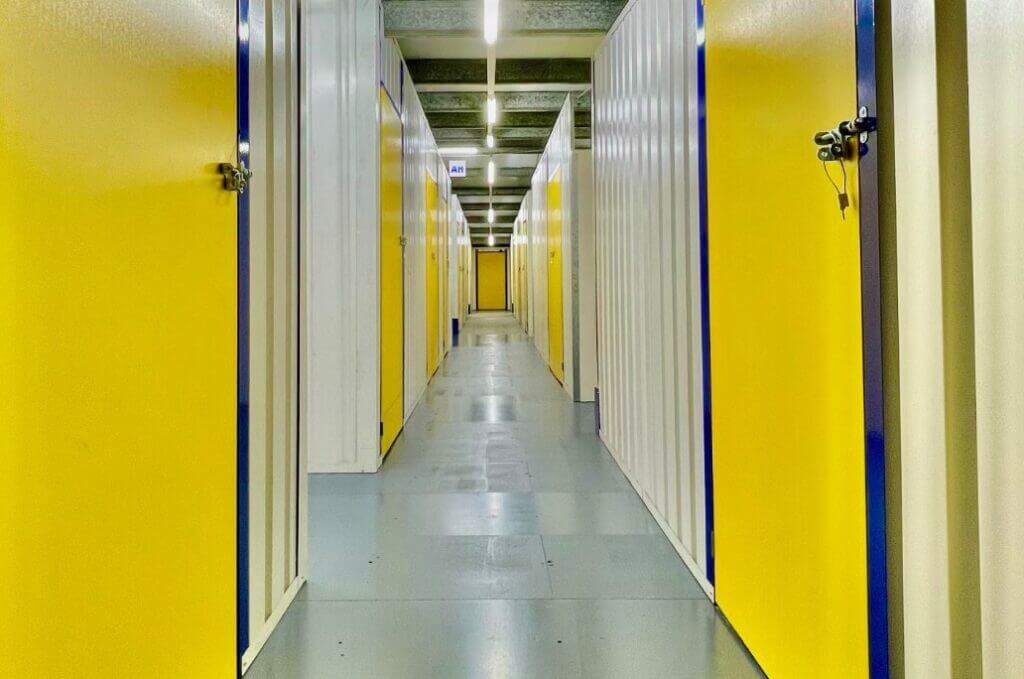
An environment that has climate control is the standard for preservation. This keeps temperature and humidity levels stable throughout the year, no matter the month. For residents in Cambridgeshire, choosing personal storage in Peterborough provides a secure and dry space.
Before you begin organising your unit, it is key to ensure that every piece is prepared for a long stay in storage. Never store an item that is dirty or damp, as organic residue can attract insects. Once cleaned, you must use high-quality materials. Standard bubble wrap is fine for short trips, but long-term contact with certain plastics can trap moisture or chemicals.
Antique furniture, such as Victorian mahogany wardrobes or Georgian chests of drawers, often represents the historical part of a family collection. They are often kept not only because they are of good quality, but also because of their financial value and their sentimental importance.
To store these treasures safely, you should first clean them thoroughly using a soft, lint-free cloth to remove surface dust. When it comes to protection, apply a natural beeswax polish rather than a silicone based spray, as natural wax provides a protective barrier against humidity without damaging the original patina. Apply the wax in small circular motions, following the grain of the wood, and buff it gently
Avoid using plastic wraps that trap moisture, which can lead to warping or wood rot. Instead, use breathable cotton furniture covers or old bedsheets. This prevents dust from building up while allowing the wood to breathe.
While many people digitise their photos, the original physical copies are often irreplaceable. These older photos can be very sensitive to light. Move these to boxes specifically designed for archival storage, which helps to prevent yellowing and damp damage.
You should have textiles and vintage clothing professionally cleaned before storage to avoid moths and fabric rot. Avoid hanging heavy garments, as this can stretch the seams over time. Instead, lay them flat in textile boxes. Use white tissue paper to pad folds and prevent permanent creasing.
Silverware sets and cutlery are often placed in storage. This is because they get damaged quickly when exposed to air. You should make sure to clean your silverware and ensure it is completely dry before wrapping each piece in cloth or tissue. Storing silver in airtight bags can also help maintain the shine.
Instruments are extremely sensitive to humidity, which can warp wood or corrode valves. Due to this, they are often placed in climate controlled units when not in active use. A good tip is to ensure instruments are stored in their original hard cases for an extra layer of protection.
Collectables often hold significant monetary value. Owners store them to protect the original packaging and paint from fading in the light. Keep toys in their original boxes if possible. Use plastic storage boxes with tight lids for extra protection against dust, but ensure the items are not wrapped in materials that might stick to the paint.
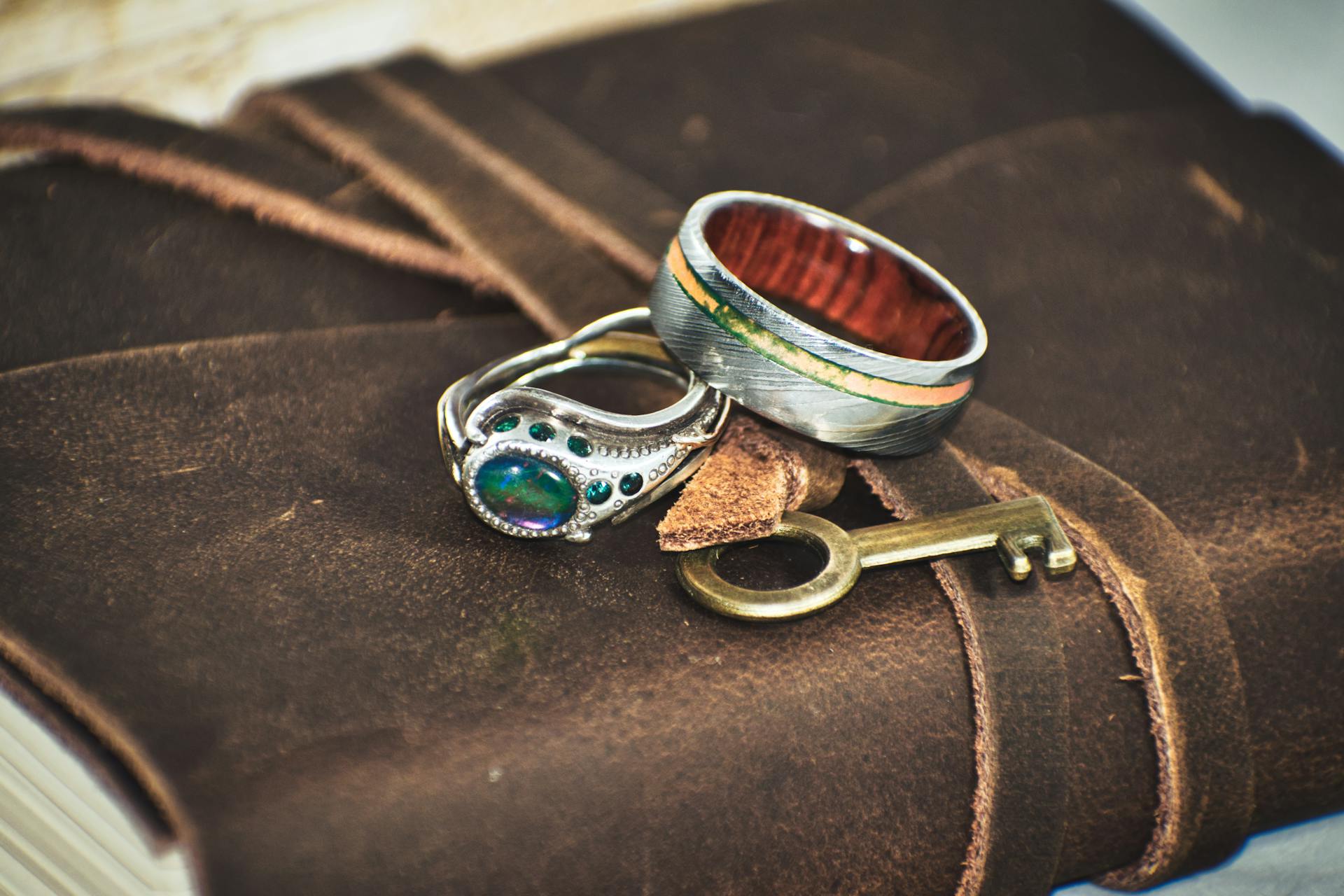
Expensive jewellery like engagement rings are often moved to small secure storage units for insurance reasons. You should store pieces separately to prevent any scratching. For mechanical watches, consider having them serviced before and after long-term storage to ensure the internal lubricants do not dry out and cause internal damage.
Like musical instruments, these require stable temperatures to prevent the paint from cracking or the canvas from sagging. Never store paintings flat on top of each other, stand them vertically on a padded surface and wrap them in glassine paper rather than plastic to prevent moisture traps.
Once you have prepared your individual items, following a few general best practices will help ensure your collection remains organised and secure over the long term. Always use new, sturdy boxes rather than second-hand ones that may be a lot weaker, and invest in quality packing tape and plenty of acid-free packing paper to help with the safety of your items.
Following this, inventory management is important. You should create a detailed list of every item in storage to know where it is. Then photograph each piece so you can see the current condition and notice any changes that may occur.
When stacking, always place the heaviest boxes at the bottom and leave small walkways between stacks so you can access items at the back with ease.
Yes, you can store expensive items, but security must be your priority. Check our insurance policy to see what is covered when items are away from your home. Many professional facilities like ours offer enhanced security features that exceed what is possible in a home setting. If you’re storing family heirlooms of significant financial value, ensure the facility has monitoring and restricted access for top safety.
The amount of space required depends entirely on the amount of furniture. If you are storing a full house of heirlooms, including large wardrobes and several dozen boxes, you might need a 100 to 150 square foot unit. However, if you are only storing smaller collectables and documents, a 25 to 50 square foot unit is often sufficient. It is always better to look at our storage size guide and have a little extra room for air to flow through the storage area.
When it comes to the safety of your family legacy, 1st Access provides a solution. Our facility features 24 hour CCTV to ensure your belongings are monitored at all times. If you are worried about the logistics of moving heavy furniture, we can even help move your items into the facility. For those planning for the long term, we offer a 25% discount on annual storage. This makes professional protection an affordable choice for families in the region.
Get your free storage quote today to see how we can help protect your items.